Building Ponds That Hold Water and Last
Pond construction services in Lufkin for private estates, agricultural properties, and water retention projects.
If you need a pond built on your property in Lufkin, the work goes beyond digging a hole and waiting for rain. A functional pond requires proper depth, slope, drainage, and compaction to hold water through dry seasons and heavy rain. Brown's Paving and Excavation builds ponds for livestock watering, irrigation, fire protection, and recreational use across residential and agricultural properties in Lufkin. Each pond is excavated to match the land conditions and intended purpose.
The construction process begins with site evaluation to assess soil type, water table depth, and natural drainage patterns. Excavators are used to dig the basin, shape the banks, and compact the bottom to reduce seepage. The pond is designed for proper depth and drainage so that it refills naturally and does not overflow into unwanted areas. Integrated with surrounding land conditions means the pond works with your property rather than against it.
If you are planning a pond for your property in Lufkin, contact Brown's Paving and Excavation to schedule a site visit and discuss size, depth, and placement options.
How Depth and Drainage Affect Water Retention
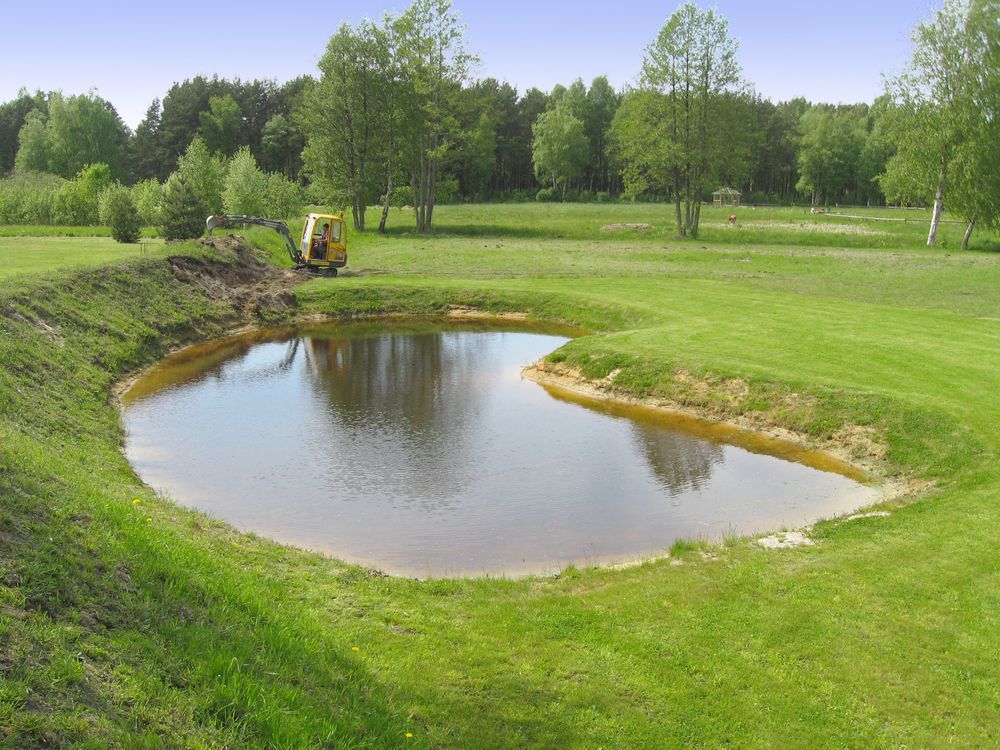
Pond excavation in Lufkin starts with clearing the site and marking the pond footprint based on your water needs and available space. The basin is dug using hydraulic excavators, with depth ranging from eight to fifteen feet depending on use. Deeper ponds are less prone to evaporation and temperature swings, which matters for livestock and fish. Slopes are graded to prevent erosion and allow safe access for animals or equipment.
After excavation, you will see a defined basin with compacted walls and a stable bottom that holds water without constant refilling. Built using proven excavation methods means the pond is shaped to capture runoff, resist erosion, and drain excess water through a controlled spillway. The result is a pond that fills naturally during rain and maintains a consistent water level through most of the year.
Pond construction does not include stocking fish, installing aeration systems, or adding decorative features, but it does provide the foundation for those additions. The excavation leaves the site ready for final grading, seeding, or fencing. If your property has clay-heavy soil, the pond will hold water more effectively. Sandy or rocky soils may require a liner, which can be discussed during the site evaluation.
What to Know Before You Start Digging
Property owners often ask about placement, permits, and how long it takes for a new pond to fill. These questions help clarify what to expect from the planning stage through the first rainfall.
Brown's Paving and Excavation builds ponds across Lufkin using equipment and methods suited to local soil and drainage conditions. If you are ready to add a pond to your property or need help selecting the right location, learn more about your options by reaching out for a consultation and site assessment.